

















How to Look After a Rusty Cast Iron Bird Bath


There's something rather lovely about a cast iron bird bath that has been in the garden for a few years.
The pristine finish it had when it was new gradually disappears, replaced by warm shades of orange, brown and copper as the cast iron weathers. It's one of the reasons we like cast iron so much for the garden: it develops character rather than simply getting old.
But there is a point where weathering can start to look more like deterioration.
So, what do you do when your cast iron bird bath has become very rusty?
The answer isn't necessarily to strip it back to bare metal. In fact, if you like the natural, aged appearance of cast iron, there's a much better option: stabilise the rust and keep the patina you've already got.
Don't fight the rust
Rust isn't always the enemy.
With traditional cast iron garden features, the rusty finish is often exactly what gives them their charm. Trying to remove every last trace of rust can be a lot of work – and leaves you with something that no longer has the character you wanted in the first place.
The important distinction is between sound, firmly attached rust and rust that is loose, flaky and continuing to cause problems.
That's where a good rust inhibitor comes in.
A penetrating rust inhibitor works with the existing rust rather than requiring you to remove it all. The oil penetrates through the rust towards the sound metal beneath, displacing moisture and air and forming a protective film which helps prevent the corrosion from continuing.
And, importantly for a garden feature like this, it leaves you with the character of the weathered metal rather than covering it up with a new painted finish.
See the difference
The bird bath had developed a substantial layer of surface rust. Rather than trying to make it look new again, the loose material was brushed away, leaving the firmly attached rust behind.
The rust inhibitor was then applied to the prepared surface.
The difference is remarkable.
The loose, powdery and rather tired-looking surface becomes a much richer, deeper and more consistent finish. The texture of the cast iron remains, as does all the character that comes from years of weathering.
It's not about making the bird bath look new. It's about making the old finish look good again – and helping it last.

How to revive a rusty cast iron bird bath
The process is surprisingly straightforward.

1. Empty and clean the bird bath
Start by removing the water, leaves and any other debris. Give the bird bath a thorough clean and allow it to dry completely.

2. Remove loose rust
Use a stiff brush to remove loose, flaky rust and anything else that isn't firmly attached to the surface.
You don't need to remove all the rust. In fact, a penetrating rust inhibitor is designed to work with the remaining rust, using it as part of the process of creating the protective finish.

3. Apply the rust inhibitor
Apply the oil to the prepared, dry surface, following the manufacturer's instructions.
The oil penetrates into the rust and helps isolate the underlying metal from moisture and air – the two things that allow corrosion to continue.

4. Give it time to dry
Don't be tempted to rush this part. Drying times depend on temperature and conditions, so follow the instructions supplied with the product.

5. Clean the bowl before refilling
As this is a bird bath, take a little extra care at this stage.
The rust inhibitor is intended to treat the metal, not to be added to the water. The product carries a warning that it is harmful to aquatic organisms, so avoid allowing treated oil to enter ponds or other natural watercourses.
There is no equivalent indication that it is harmful to birds, but we would still recommend following the manufacturer's application instructions carefully and thoroughly cleaning the bird bath before putting fresh water back in it.
Then you're ready to go.
Get 10% off your rust inhibitor
If you've got a rusty cast iron bird bath, garden ornament, planter or other metal feature that could do with some attention, you can buy the rust inhibitor directly from the manufacturer.
As a customer of The Worm that Turned, you'll automatically get 10% off when you purchase through our link. Please note that the discount is not valid on the 125ml small can

This is an affiliate link, which means we may receive a small commission if you make a purchase through it. It won't cost you anything extra, and the link automatically applies your 10% discount at checkout.
And it's not just for bird baths
The same approach can be useful for other weathered metal features around the garden.
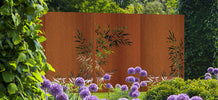
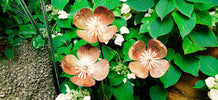
Our Reflective Water Pools – Steel, for example, are made from solid 3mm steel and are designed to weather naturally. Over time they develop their own characteristic rusty finish, with the precise appearance depending on the conditions in your garden.
Explore Reflective Water Pools - Steel
Here, too, rust isn't a defect – it's part of the design.
The pools are deliberately supplied in their natural steel state so that they develop an increasingly weathered appearance. For anyone who likes that look but wants to understand how to maintain and stabilise weathered metal, a rust inhibitor is useful to have in the garden shed.
Let your garden features age gracefully
We're often told that rust is something that needs to be removed.
But when it comes to traditional cast iron and weathering steel, we'd argue that it's a little more complicated than that.
Sometimes the rust is the point.
The trick is to distinguish between attractive weathering and corrosion that is beginning to compromise the metal. With a little preparation and the right rust inhibitor, you don't necessarily have to choose between preserving the character of your old garden feature and looking after the metal.
You can have both.
And that's what we particularly like about cast iron in the garden: given a little care, it doesn't have to stay looking new to keep looking good.
- choosing a selection results in a full page refresh
Comments
Follow Us