






















The day the BBC came to the shop - but was I trumped?
The day after the 2025 budget, BBC East Midlands Today came to film at The Worm. A year on, with a new Chancellor's budget due, Stuart looks back at what really goes on behind two minutes of local news, what he wishes he'd said about business rates, and what he'd like to hear this time round.

With a new Chancellor delivering his first budget tomorrow, and the BBC phones no doubt already ringing around the high streets, it felt like the right moment to finally finish a blog I started this time last year.
The day after Rachel Reeves' 2025 budget, BBC East Midlands Today wanted to hear from independent retailers in the area – and who better to ask than the winner of the 2025 'It's in Nottingham' Duckies Award for Independent Retailer?
We were asked the day before (before the budget was announced – or leaked) whether we'd be willing to appear, and knowing it wouldn't be too difficult to have an opinion on such a long drawn-out event, we jumped at the chance. Not least because it would remind local viewers that we are still very much around and on the high street. It wouldn't be the first time we've been in the news – we made a few TV appearances in our earlier days, and back in 2010 even made the Daily Mail – but it had been a while, and it's always nice to be asked.
My only real fear? Panorama had just been caught splicing together the American President's speech, and he was threatening to sue the BBC for billions (he's since filed for $10bn). What if I was made to appear to support one angle or another, without the right context?
I'd had an early taste of this in another life, on a train to London St Pancras. Sitting in my expense-paid first-class seat, I gave a 'vox pop' on the latest rail fare increase – which was obviously edited out because it didn't suit the narrative the broadcaster wanted (commuters moaning about fares). I've had some sympathy ever since for politicians (I know, a rare thing) who complain they've been 'quoted out of context', or left out of the debate entirely.
People don't realise how much goes on behind the scenes of a news report. Whether it's a couple of minutes on local TV or something bigger, the preparation is much the same – so here's what happened the day the Beeb came to visit The Worm…

Budget day: homework and dusting
A researcher called on budget day to say they were looking for local independent retailers' opinions, and since Derby Road is home to plenty of independents, it seemed a good place to start. They reassured us it wouldn't be live (blessing or curse?), and we passed on the names of a few neighbouring businesses who might also be up for it.
Naturally we were interested in the outcome anyway. The run-up to this budget had been particularly long, and the budget itself came very late in November. There'd been speculation since the middle of the year about what might or might not be in it, and it was becoming increasingly clear this was holding back customer and business spending generally.
Knowing we'd be giving our views publicly, we listened to the budget live with extra scrutiny, then watched the evening news coverage, noting the positives and negatives for us and our customers. We also found a little time to talk it through with some of our staff, and it was interesting to hear their views.
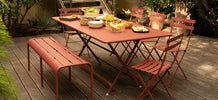
We try hard to make sure the showroom always looks its best, but Heather was keen to make it look extra special for the telly and spent a couple of hours checking the displays were up to scratch. We didn't know what they'd film, but we knew from experience they often need 'filler' shots – and that showing the surroundings, rather than just a face, helps give context to the comments.
Filming day
On the morning of filming I had a call with the reporter to cover the basics – domestics like parking, plus my top-line thoughts on the budget. There was already a hint of narrative creeping in: apparently the producer wanted opinions on the minimum wage increases announced the day before. As that wasn't the most relevant issue for us or our customers, I stuck to my own initial thoughts, though I was happy to discuss it if needed.
Rachel (the reporter) and her cameraman arrived promptly at 11am, and teas were made (especially important for hard-working camera people). We gave them a tour and told them who we are and what we do. Rachel Royce, from Derby – home of Rolls-Royce? Turns out she is distantly related, cue constant jibes about 'the heiress' from the cameraman for the rest of the morning.

Filming took around two hours – establishing shots, camera positions, a few rounds of 'can you just walk past that table again', and a distinct lack of both hair and lighting on my part. Rachel explained they wanted an 'as live' piece for the 1:30pm lunchtime bulletin, plus material for later bulletins, all in one visit.
The disconcerting part was being asked to answer the same questions several times. I wasn't working from a script, and I was very conscious I might not give exactly the same answer each time – a bit more detail one time, an extra thought the next. I suspect Rachel, filming for a tight slot, was trying to get the soundbites down to a crisp sentence or two, rather than trying to get me to say anything I didn't want to say.
What was clear, though – and I've experienced this before – was that a narrative was emerging, and anything that didn't fit it might well find itself on the cutting room floor. I happened to mention off camera that I quite like Rachel Reeves and felt a bit sorry for her. Rachel was quick to say there wouldn't be room for that line of thought. For a 'local business reacts to the budget' piece I understand why, but it's a feature of news I'm not totally comfortable with.

The finished result(s)
They headed off to edit at around 12:30 – just an hour before broadcast. The lunchtime piece introduced us as "a rather upmarket outdoor furniture shop with prices to match", with customers including celebrities, "so they do have plenty of money in their pockets". Not quite how I'd have put it! What I actually said was:
"My biggest concern was actually what happened before the budget, not actually the budget. I think for the last six months people have been very fearful about what might be happening, and that has led them to tighten their purse strings… Hopefully they'll be getting out their slide rules and working out they're not quite as poor as they thought they might be, and hopefully in the next few weeks start spending again."
And on what would hit our customers most, I pointed to the "smaller hidden tax rises" – the salary sacrifice pension cap and the threshold freeze dragging more people into higher tax bands.
So was I trumped? Look closely and you'll spot the background change partway through one of my answers – a bit of a 'Trump edit' – though thankfully I don't think it changed the emphasis of what I said. The early evening news used a short soundbite that fitted the producer's narrative rather than anything I'd consider my main point.
What I wish I'd said
Watching it back, the one thing I wish I'd mentioned was business rates. The headline last year was "permanently lower rates" for retail, hospitality and leisure. What got far less airtime was that the 40% rates relief we'd been getting since the pandemic was ending at the same time, and that a revaluation was coming in alongside it. Put together, for us those lower rates turned into a near 20% rise in our rates bill. Add in the extra costs of employing people, which look here to stay, and the load needs lightening – without hitting us somewhere else.
Was it worth it?
Always hard to judge. Friends and neighbours saw it (cue messages from people who should have been working), and we did a bit of social media at the time – this blog was meant to be part of that – but then the Christmas rush arrived, and customers must come first. A bigger organisation would probably have made more of it.
We're not aware of losing any customers because of it, and we did get a few "good to see you're still trading" comments from customers we'd lost touch with. Maybe that led to an extra sale or two, but nothing to write home about.
Would I do it again? Probably, yes. I'm never shy of giving my opinion when asked, and 'all publicity is good publicity' has some truth in it. But does it serve a human good? I hate being negative about anything, but sometimes it's the easiest thing to do – and that doesn't make it the right thing. I do wonder whether a budget that got no reaction would still make the news.
What I'd like to hear tomorrow
If the BBC does call, here's what I'll be listening out for in John Healey's first budget:
- Help for hospitality. Pubs, restaurants, cafés and hotels are some of our best customers, and they've had a rough few years. They need encouragement to invest in quality – fittings and furniture, food and drink, and staff – to bring people back out of their homes more often.
- Business rates and employment costs. A genuine lightening of the load, as above.
- A level playing field on imports. Small parcels from overseas marketplaces still come in without customs duty, and VAT collection relies on overseas sellers playing by the rules. The government has said the £135 duty relief will go by October 2028 at the latest – I'd like to see that happen sooner, and properly enforced.
- Leave capital gains alone. Making a gain on capital you've put at risk is hard enough without it being taxed more heavily. Indexation relief was abolished for individuals back in 1998, so after recent years of higher inflation you can be taxed on a 'gain' that has merely kept pace with prices – which seems daft in itself.
To be fair, the pre-budget speculation has been better this year – the Chancellor is reported to have rejected calls to bring capital gains tax in line with income tax, which has calmed some of last year's nerves. What will be interesting is whether everything surfaces on the day, or whether, like last year's rates changes, the real detail only emerges once the dust settles.
So if the phone rings tomorrow, the kettle's on.

- choosing a selection results in a full page refresh
Comments
Follow Us